
Services
Have a project in Mind?
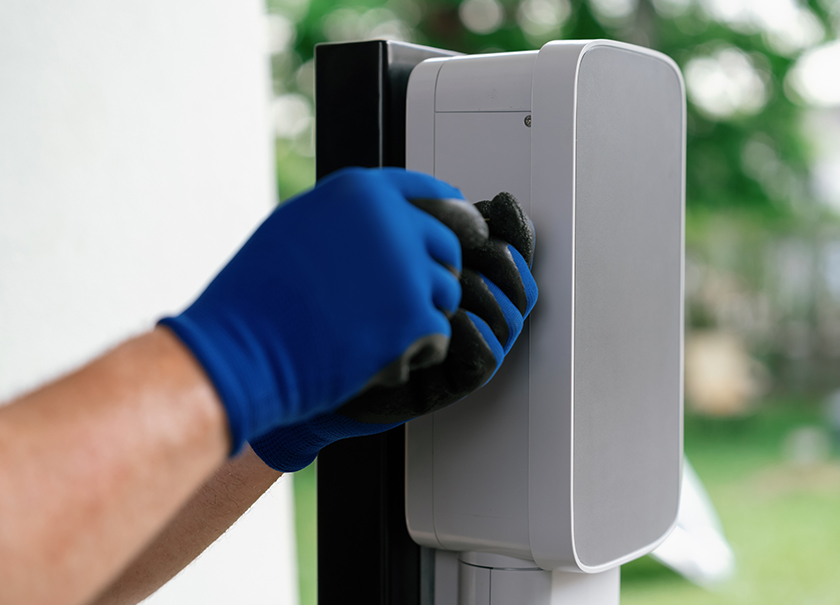
Residential EV Charger Installation in Lancaster PA
Your EV is part of your daily routine, and residential EV charger installation in Lancaster PA gives it a dedicated place to recharge where it already spends the night. We plan the charging setup around your vehicle, your normal parking spot, the charger’s electrical demand, and the power available in your home. That means your charging point is built around real driving habits, from weekday commuting to school runs and evening errands. When you pull in after a day on Route 30, Route 222, or streets around downtown Lancaster, the next charge starts at home. Your vehicle can recover range while you’re inside doing everything else that fills the evening.
The need becomes clear when daily mileage starts using more battery than your current charging routine can comfortably replace. A low state of charge in the morning can affect departure time, commuting plans, and how much driving you can fit into the day. We give your vehicle a consistent charging location at your own property. The charging circuit serves the EV, the charger manages the connection, and the vehicle receives the power its onboard charging system allows. That direct setup makes home charging part of the normal parking routine.
Lancaster homes do not all have the same parking layout or electrical setup. A property near Lancaster Central Market or the Fulton Theatre may have a garage, side parking area, alley access, or a shorter driveway, while homes farther from the city center may have more space between the panel and the vehicle. We start home EV charger installation in Lancaster Pennsylvania, with those physical details. We look at the charging location, cable reach, circuit path, equipment rating, and panel capacity before installation begins. The goal is simple: the charger should sit where you can pull in, connect the cable, and leave the car parked naturally.
Match the Charging Level to the Miles You Drive
A level 1 EV charger installation in Lancaster PA generally uses a standard 120-volt household electrical outlet and can make sense when the vehicle stays parked for long periods and your daily mileage is relatively light. We check the receptacle, circuit condition, grounding, and available load before the charger is used there.
Level 1 EV charging installation can be a practical option for drivers who have plenty of overnight parking time and do not need faster battery recovery. For homeowners considering Level 1 home EV charging, we check the receptacle, circuit condition, grounding, and available load before the charger is used there. When the charging location needs a suitable receptacle, the setup may also involve EV charging outlet installation based on the charger and electrical requirements.
A residential Level 1 EV charger adds range more slowly, so the time the EV remains parked becomes an important part of the decision. That slower charging rate for some Lancaster households can still match the amount of driving done between charges. The vehicle, charger, receptacle, and circuit all need to work within the electrical limits of that setup.
As driving demand increases, charging time starts to matter more. We plan EV charging installation for homes in Lancaster PA, around battery size, daily mileage, charger rating, and the number of hours the EV normally stays parked at home. Those values tell us how much charging capacity is practical for the household. We also consider whether the charger will be mounted indoors or outdoors and whether the cable can reach the vehicle’s charge port without being stretched across the parking area. These details affect how easy the charging point is to use every single day.
Core charging values we account for include:
Level 1 voltage: 120 volts.
Level 2 voltage: commonly 240 volts for home charging.
Circuit type: sized for the charging equipment being installed.
Breaker rating: matched to the conductor size and charger load.
Panel capacity: checked before the EV load is added.
Charging location: garage, driveway, or another suitable home parking area.
Equipment environment: indoor or outdoor placement based on the charger’s listed use.
Final testing: charging equipment checked after electrical connection.
Contrary to level 1, A level 2 EV charger installation in Lancaster PA, commonly uses a 240-volt dedicated circuit and can provide significantly faster home charging when the home has suitable electrical capacity. Level 2 EV charging installation can be a practical choice when a household needs more charging capacity within a shorter parking window.
A residential Level 2 EV charger can support faster battery recovery for an EV that covers more miles throughout the day. That faster recovery can be useful when the EV handles a longer commute, frequent family driving, or regular trips between Lancaster and nearby communities.
The Daily Frustrations Usually Start Before the Battery Is Empty
Charging trouble often shows up first as lost time. When the car does not regain enough range overnight, a normal morning can turn into charger hunting, an earlier departure, or an extra stop before the day really starts. Our residential EV charger installation in Lancaster PA gives the vehicle a fixed charging place at home, which helps make battery recovery more predictable between drives. You know where the car will connect when you return, and the charging window starts as soon as the vehicle is parked. That matters most on weeks when commuting, appointments, errands, and family driving stack up quickly.
Placement creates a different kind of daily frustration. Charger placement affects daily use when the cord barely reaches the charge port or runs through the space where you walk, unload groceries, or move around the garage. We use the vehicle’s normal parking position as a practical reference point. The charger location serves the car, the cable serves the charge port, and the mounting height serves regular plug-in use.
A good layout cuts down on cord stretching, repositioning the vehicle, and moving stored items every time you charge. Electrical capacity can become the hidden limit. An EV charger may run for hours, so its load has to be considered alongside the electrical demand already present in the home. During residential EV charger installation in Lancaster, we inspect available panel capacity before adding the charging circuit and determine whether the planned charger fits the existing system. That check protects the project from being based on speculation about breaker space or household demand.
From the Panel to the Charge Port, Every Part Has a Clear Role
A properly planned residential EV charger installation in Lancaster PA starts with the charging equipment you intend to use and ends with a tested connection at the place your EV normally parks. We review the charger rating, panel capacity, breaker requirement, conductor size, circuit route, mounting point, grounding, and cable reach as parts of one charging system.
Each component has a specific job and a defined electrical value. That makes the installation easier to understand and easier to use once the vehicle is plugged in. For projects that require permits or inspection-related steps, we can coordinate the electrical work around applicable requirements described in our service process.
Our installation process stays focused on the charging setup itself:
- We review the EV charger’s electrical rating and installation requirements.
- We check whether the home has enough available electrical capacity for the charging load.
- We plan the circuit route from the panel to the vehicle’s parking area.
- We install the breaker, conductors, and charging connection required for the selected equipment.
- We mount the charging unit where the cable can reach the vehicle in its normal parking position.
- We check grounding and electrical connections before energizing the charger.
- We power the charger and test its operation after installation.
- We explain the basic charging circuit layout so you know what is feeding the unit.
After the residential EV charger installation in Lancaster is complete, charging fits into the routine you already have. You park, connect the cable, and let the EV charge while you’re home. The evening stays centered on home, and the car remains in its normal parking spot. GKM Electric LLC can set up a dedicated charging connection around the vehicle, the property, and the electrical load it needs.
Why Choose Us
Right Fit for Your EV
We review the plug type, charging rate, and requirements for your EV before installation begins. For level 1 EV charger installation for homes in Lancaster PA, we keep it simple, so your car charges the way you expect day after day.
Your Charger Deserves Care
For standby and whole house generator installation, we can coordinate permits and details on larger jobs. We plan the electrical work around NEC requirements and local rules, helping the installation move toward inspection without paperwork or code-related delays.
Ready for Your Next EV
As a residential EV charger installer in Lancaster Pennsylvania, we consider the charging equipment you use now and the type of EV you may own later. That helps you make a smarter choice without replacing your charger sooner than needed.
Frequently Asked Questions
A hardwired charger connects directly to its dedicated electrical circuit, so there’s no receptacle between the charger and wiring. A plug-in charger uses a compatible outlet and can be removed more easily if needed. We choose the connection method based on the charger model, its power requirements, and the installation instructions.
Yes, a charger can be installed before your EV arrives if you already know which charging equipment you plan to use. This lets the electrical connection and charger setup be completed before you bring the vehicle home. For level 2 home EV charger installation in Lancaster PA, having the charger model selected first helps us install the correct connection.
Many smart home chargers use Wi-Fi for charging schedules, energy tracking, notifications, and app controls. After the electrical installation, the charger may require setup through the manufacturer’s mobile app and your home Wi-Fi network. A strong Wi-Fi signal near the charging location can help the charger maintain its connected features.
Some residential charging equipment can serve two EVs through dual connectors or load-sharing features built into compatible charger models. The charger decides how available charging power is divided when both vehicles are connected at the same time. The correct setup depends on the charger design and how the two vehicles will normally be charged.
Installation that follows the charger maker’s electrical and mounting requirements helps keep the equipment within its stated conditions of use. Some manufacturers may ask for installation records or proof that required electrical specifications were followed during a warranty claim. Keeping the charger model, installation details, and related records together can be useful later.
A detached garage or similar home parking structure may support an EV charger when an approved electrical path can reach the charging equipment. For home EV charging station installation near Lancaster PA, the building layout and charger requirements determine how the electrical connection is arranged. The charger still needs a secure connection designed for its rated charging load.
Many Level 2 chargers allow their maximum charging output to be set during installation or through their setup controls. That setting tells the charger how much electrical current it may supply while the vehicle is connected. The chosen value must stay within the electrical circuit rating and the charger manufacturer’s allowed settings.
Some charger installations may require a disconnecting method depending on the equipment rating, installation type, and applicable electrical rules. When required, the disconnect gives the charging equipment a clear way to be isolated from its electrical supply. Its location and rating are selected as part of the residential EV charger installation setup.