
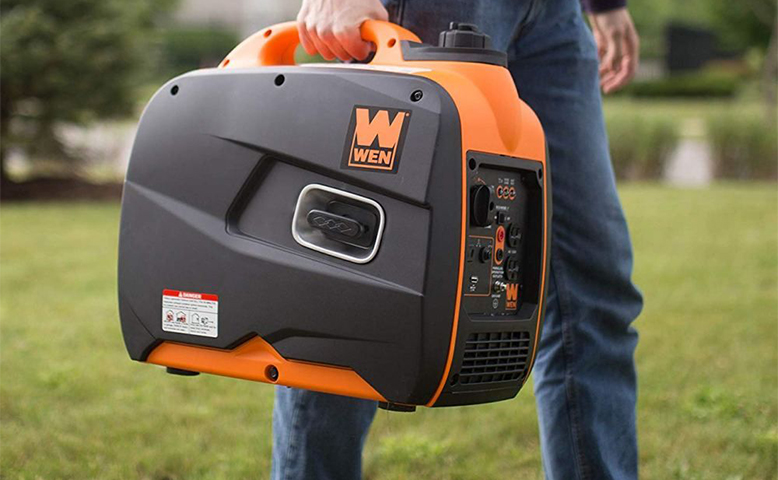
Temporary power can start out feeling like a smart “quick fix.” A few extension cords here, a small portable generator there, maybe a power strip doing overtime behind the TV stand. At first, it feels manageable. It feels like control.
Then real life keeps happening.
Work calls still need Wi-Fi. Kids still need warm food. The sump pump still needs to run. Medicines still need steady cooling. The basement still needs light when the power drops. And the longer you lean on temporary power, the more it quietly becomes your normal. That’s where the trouble starts.
Because temporary power is built for short moments, meanwhile, your life is built for every day.
This guide lays out the clear signs that it’s time to move away from patchwork power and toward a safe, steady backup plan. It stays simple, practical, and focused on what matters to you: safety, comfort, predictability, and protecting what you’ve already paid for.
Temporary Power Works Until It Doesn’t
Temporary power options usually show up in moments like these:
A storm knocks out power for a few hours
A neighborhood transformer acts up
A breaker trips and it takes time to sort out
A renovation leaves parts of the home in transition
A business needs “just enough” power to stay open
Those are normal situations. The issue is not using temporary power once in a while.
The issue is when temporary power becomes your default plan.
When that happens, you start paying hidden costs, even if you don’t notice it right away. You pay with stress, risk, lost time, and the creeping feeling that you’re always one outage away from a mess.
The Real Cost Is Not The Generator, It’s The Chaos
Relying on temporary power creates a pattern: scramble, react, reset, repeat.
That cycle drains you. It also creates moments where people take shortcuts. Cords get run under rugs. Plugs get overloaded. Fuel gets stored “wherever it fits.” Equipment gets used in ways it was never meant for.
Over time, that’s how “temporary” becomes unsafe. Here’s what that chaos tends to look like in everyday life:
You keep a mental checklist of what to unplug and what to plug in
You ration what you run because you’re never sure what will trip next
You lose food and feel frustrated every time
You worry about water in the basement when storms roll in
You cancel plans or work because the home setup can’t handle outages
You spend money on small fixes that don’t really fix anything
And even if you’re careful, temporary setups can still fail simply because they’re not designed for long stretches or higher loads.
Clear Signs You’ve Outgrown Temporary Power
You don’t need speculation here. Certain patterns make the decision obvious.
Outages Keep Interrupting Real Responsibilities
When power loss starts messing with your income, your family routine, or your ability to keep the home running, it’s no longer an “inconvenience.” It becomes a direct hit to your day-to-day life.
This shows up as:
Work-from-home time is getting ruined
School routines are getting thrown off
Missed deadlines and lost calls
Security systems are going offline at the worst times
A steady backup plan protects your time, not just your lights.
Your Portable Setup Keeps Growing
At first, it’s one cord. Then it’s three. Then it’s a second power strip. Then it’s a “temporary” shelf for fuel cans. Then it’s a routine where you’ve got it down to a science.
That growth is a signal.
The more your temporary setup expands, the more you’re admitting you need something more stable. The cords and add-ons are basically your home telling you, in plain language, that your needs have changed.
You’re Constantly Making Trade-Offs During An Outage
Trade-offs are exhausting. They turn every outage into a stressful math problem.
Fridge or space heater
Wi-Fi or microwave
Sump pump or lights
Freezer or coffee maker
Living like that once a year is one thing. Living like that several times a season is another.
A properly planned generator setup replaces trade-offs with normal living.
You’ve Had Close Calls That Made Your Stomach Drop
Some moments stick with you:
A cord got hot
A plug smelled like plastic
A breaker kept tripping
Lights flickered in a way that felt “wrong.”
The portable generator felt louder, shakier, or unreliable than before
Those moments matter. They’re not there to scare you. They’re there to warn you early, before the cost becomes bigger.
Your Home Has Equipment That Should Not Lose Power
Some homes can coast through outages. Others can’t.
If you have any of the following, temporary power becomes a risky long-term habit:
Sump pump
Well pump
Medical devices or refrigerated medicine
Home office gear that needs stable power
A freezer stocked with expensive food
A security system that you rely on
In these homes, stable backup power is less of a “nice extra” and more of a protective layer.
You’re Spending Money But Getting No Long-Term Improvement
Temporary power tends to create “small spending leaks.”
You keep buying:
New extension cords
Heavier power strips
Replacement fuel cans
Small battery packs
Extra lights and chargers
Repairs for things that got damaged by unstable power
None of those purchases builds a real system. They only patch the moment. Over time, you can spend a surprising amount while still being stuck in the same cycle.
A planned generator setup is the opposite: it turns spending into lasting progress.
Why Temporary Power Starts To Feel Heavier Over Time
It’s not only about electricity. It’s about mental load.
Temporary power adds background stress. It’s the feeling of always needing to be ready. Always needing to think ahead. Always needing to monitor what’s running.
Even if you never say it out loud, you feel it in your body.
Tension when the weather forecast looks bad
Frustration when the lights flicker
That immediate urge to check the fridge
The reflex to charge every device “just in case.”
Reliable backup power doesn’t just support appliances. It supports your nervous system.
What A Real Backup Plan Gives You Right Away
A proper generator installation plan is not about showing off. It’s about getting your life back during outages.
Here’s what you gain:
Consistency: your home keeps running in a predictable way
Safety: fewer risky workarounds with cords and overloads
Comfort: heat, cooling, and basics stay steady
Protection: less food waste, fewer power-related issues
Time: fewer outage routines, fewer resets, less cleanup
Control: you’re not reacting anymore, you’re prepared
And even better, these benefits show up during the first outage after it’s done right. You feel the difference immediately because your home stops acting fragile when the grid fails.
The Smartest Way To Think About Generator Installation
A generator is not “one size fits all.” A good plan starts with what you actually need, not what looks big on paper.
A practical approach focuses on:
What must stay on
What can you stay off
What needs clean, stable power
What should never be powered through unsafe cords
What your panel can support safely
This kind of thinking keeps your setup right-sized, safe, and easier to live with.
A Small Checklist That Signals You’re Ready For A Permanent Setup
If these statements fit your life, you’re past the “temporary” stage:
You’ve had more than one outage that caused real disruption
You feel annoyed because you already know the outage routine too well
You keep replacing cords or accessories
You worry about your basement, freezer, or home office
You’re tired of planning your life around “what if the power goes out.”
You want a safer setup that doesn’t depend on shortcuts
That’s not overthinking. That’s awareness.
Final Verdict
Temporary power is fine for short moments. Still, when it becomes your normal, it quietly steals comfort, time, and safety. A proper generator installation plan ends the scramble and keeps your home steady when the grid cannot. When you’re ready to make that shift with clear guidance and safe electrical work, GKM Electric LLC is a trusted local choice to talk to.