
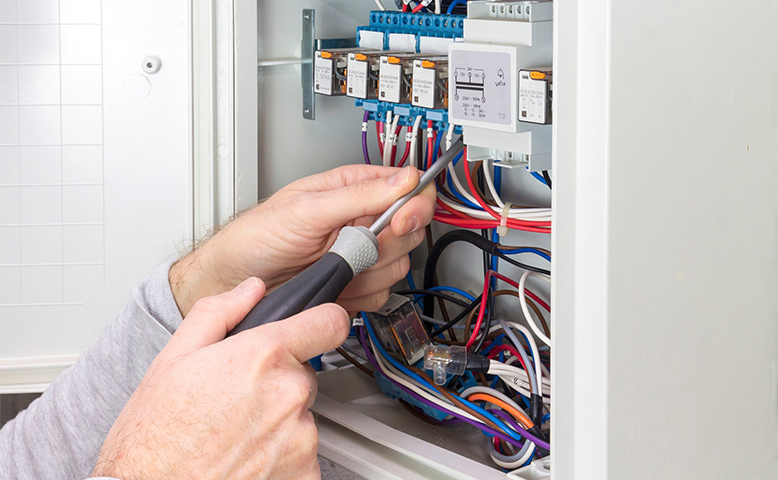
An electrical panel is the traffic controller for every light, outlet, and appliance in your home. When it is carrying more power than it was built to handle, the warning signs usually show up long before a total failure. Even better, most of those signs are easy to notice once you know what they look like.
Overload is not the same as a one-time spike from turning on the microwave. Overload is repeat stress. It builds when daily use keeps pushing the panel and breakers near their limit. Over time, that stress can cause heat, loose connections, worn breakers, and damage to wires. Then, the small annoyances turn into sudden outages, burnt smells, or equipment damage.
This guide keeps it simple, practical, and focused on what you get out of it right away: steadier power, fewer surprises, lower risk of damaged devices, and a safer home routine.
Overload Shows Up In Small, Repeated “Power Mood Swings”
When a panel is overloaded, your home’s electricity often starts acting inconsistent. The changes feel random at first, yet they follow a pattern: they happen when the home is “busy” with power use.
Here are common signs that the panel is being pushed too hard, especially when they happen often or in clusters.
The lights dim when larger appliances run
Lights flickering in multiple rooms, not just one lamp
Breakers tripping more than once a month without a clear reason
Outlets that feel warm to the touch
A faint burning smell near the panel or certain outlets
Buzzing or crackling sounds from the panel area
Devices that restart or lose power during heavy use
A room that regularly “goes dead” until a breaker is reset
Each of these is your home telling you something useful. Most of the time, it is not “old house charm.” It is stress on the system.
Breakers That Trip Are Doing Their Job, Yet The Pattern Matters
A breaker is a safety switch. It cuts power when a circuit tries to pull more current than it should. One trip after plugging in a space heater and a hair dryer at the same time can be normal. Repeated trips during normal life are a sign to take seriously.
A simple way to spot overload patterns is to track the breaker that trips.
Note the breaker number or label
Write down what was running at the time
Notice the time of day and season
Watch for repeats over two weeks
This helps you separate “one-off” events from consistent overload. The benefit is immediate: you stop guessing and start seeing a clear trend.
Heat Is The Clearest Warning, And It Deserves Respect
Electricity under strain makes heat. Heat is the silent signal that something is not happy inside the panel, inside a breaker, or inside a connection.
You can safely look for signs around the panel area without opening it.
The panel door area feels warmer than usual
The wall around the panel feels warm
You notice a hot plastic smell
You see discoloration around the breakers or the panel face
Heat plus smell is not something to ignore. Heat plus sound is also a red flag. A faint buzz can be normal in some equipment, yet buzzing paired with flicker or breaker trips points to strain or a connection issue.
The “what’s in it for you” part is clear: catching heat early can prevent damage to wires, devices, and the panel itself.
Your Home’s Power Demand May Have Outgrown Your Panel
Most homes add power use slowly. A bigger TV arrives. Then an extra freezer. Then a home office. Then a second fridge. Then a new HVAC part. It stacks up, and the panel does not get stronger on its own.
Overload risk rises fast when your home has:
Multiple space heaters in winter
Window AC units in summer
A newer electric water heater
A hot tub, sauna, or pool equipment
A workshop with saws or air compressors
A growing set of kitchen appliances running together
A home office with multiple screens and devices
None of these items is “bad.” The win is learning how the total load adds up, so your system stays steady instead of stressed.
Extension Cords And Power Strips Become A Quiet Overload Clue
People use power strips because outlets are never where they should be. The problem is what happens next. One strip becomes two. Then a high-draw device gets plugged in because it is convenient.
This pattern can signal that the panel and circuits are not meeting modern needs.
Look for these behaviors in your home:
Power strips behind TVs with consoles, speakers, and chargers
A kitchen counter using strips for several appliances
A bedroom running a heater through an extension cord
A garage using long cords for tools and chargers
This matters because cords can hide bad connections and add heat at plug points. The practical benefit is fewer hot plugs, fewer trips, and fewer “mystery” flickers.
The Panel’s Labeling Often Tells A Story About Overload
A well-balanced electrical system spreads large loads across separate circuits. A stressed system often has a different story, and the panel door labels give clues.
These are overload hints you can spot from the labels alone:
Many breakers are labeled “spare” but are actually used
Multiple rooms sharing one breaker
A breaker labeled “kitchen” that also powers dining, living, and the basement
Handwritten notes squeezed in later
Breakers that are not labeled at all
Messy labels do not prove danger. Still, they often show that the system grew without a clear plan. The benefit is simple: when you understand what is on what breaker, you can reduce strain instantly by spreading usage.
A Simple Home Routine That Reduces Panel Strain Right Away
You do not need to change your whole life. Small habits can cut overload risk and make daily power feel steadier.
Try these practical moves:
Run the microwave and toaster at different times
Avoid running space heaters on the same circuit as other big items
Use the dryer and oven at different times during peak use
Turn off portable heaters before leaving a room
Charge tool batteries when fewer appliances are running
Keep high-draw devices plugged directly into wall outlets when possible
Replace loose-feeling plugs and worn outlets sooner rather than later
These steps work because overload is often “too many things at once.” Staggering heavy use is a fast, real-world fix.
Older Panels And Worn Breakers Increase Overload Risk
A panel can look fine from the outside and still have tired parts inside. Breakers wear over time. Connections can loosen. Heat cycles add stress. When a panel is older, the same load creates more strain than it used to.
Common signs of aging that pair with overload include:
Breakers that feel loose or do not “click” firmly
Breakers that trip with smaller loads than before
Lights that flicker even after changing bulbs
Outlets that stop working and then work again later
Even in a newer home, a breaker that trips repeatedly can weaken. The practical benefit of replacing a worn breaker is steadier circuits and fewer sudden shutoffs.
What A Qualified Electrician Checks That Homeowners Shouldn’t Attempt
There is a lot you can observe safely. There are also checks that should be done by a licensed electrician because they involve live power and internal panel parts.
A trained electrician can evaluate:
Whether the panel size matches the home’s real demand
Whether circuits are overloaded or poorly balanced
Whether breaker sizes match the wire size
Whether connections show heat damage
Whether grounding and bonding are correct
Whether signs of water, rust, or corrosion exist
Whether panel capacity supports planned additions
This is where expertise matters. The “what’s in it for you” is clear: you get a clear picture of what is safe, what is strained, and what should be fixed first.
Panel Installation And Upgrades Matter When Strain Becomes Your Normal
When overload signs become frequent, the long-term fix is often not another reset. It is capacity and layout that match the way you actually live.
A properly installed, properly sized panel helps you:
Reduce breaker trips during normal routines
Keep appliances running smoothly
Lower the risk of overheated connections
Make room for future upgrades in a safe way
Improve reliability during seasonal heavy use
This is not about adding “extra power for fun.” It is about making daily life smoother and reducing the risk of sudden failures that show up at the worst times.
Final Verdict
Overloaded panels rarely fail out of nowhere. They usually warn you through flickers, repeat trips, heat, smells, and inconsistent power during busy moments. Paying attention to these signals gives you control, protects your devices, and keeps your home safer during everyday life. When the signs start stacking up, a licensed electrician can confirm the cause and map out the next safest step, including panel installation when capacity no longer fits your home. For homeowners in and around Denver, PA, and nearby communities, GKM Electric LLC is one dependable option to have that evaluation and panel work handled with care and experience.